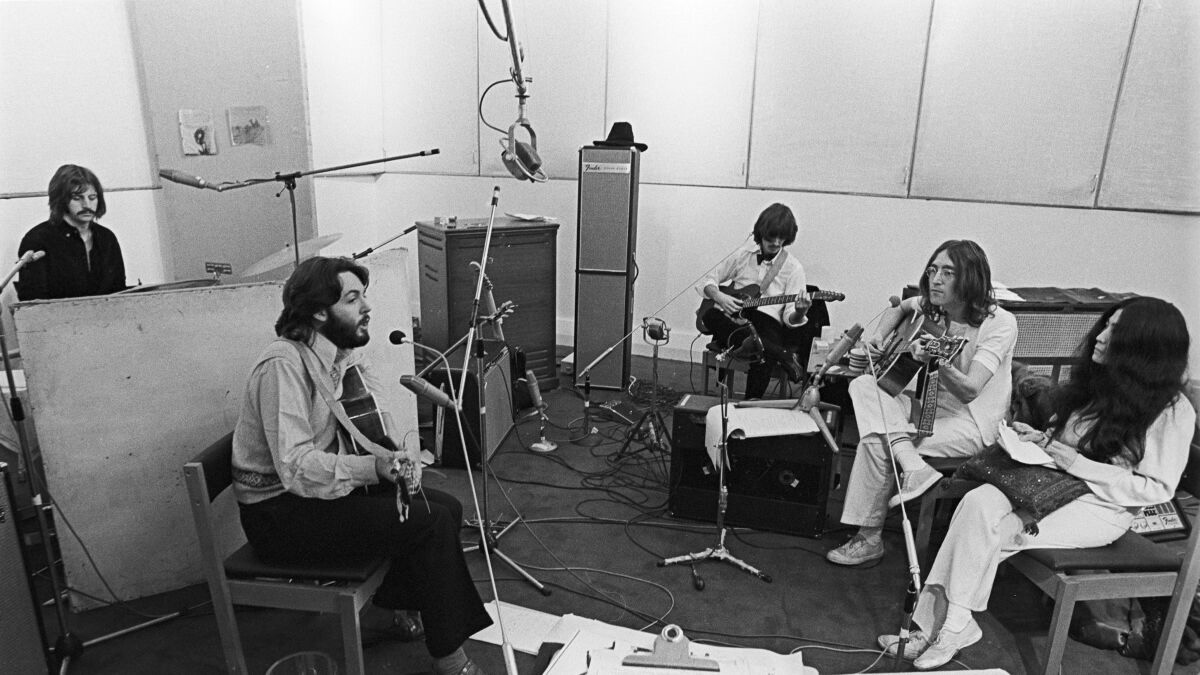
The Beatles “Get Back Sessions” in January of 1969, produced over 150 hours of audio tape. Even if you are mostly a casual Beatles fan, the information you can glean from these tapes is often fascinating.
Was recently listening to an excerpt of these tapes that included a conversation with these people present: Paul McCartney, Ringo Starr, Michael Lindsay-Hogg, Linda Eastman, Glyn Johns, Neil Aspinall, Mal Evans and the sound director. This conversation was recorded on January 13, 1969, after George had left the group and after the first unsuccessful attempt to encourage him to come back. The situation with George was discussed, of course, but they also discussed the way Michael Lindsay-Hogg was filming the Beatles for his documentary. Paul had some remarkable insights.

His main point was he felt that Michael, as director, should highlight just the band, and each member of the band individually, rather than anything extraneous like backgrounds or audience. He likened his idea to Picasso creating a painting. He felt that most people would want to see the process in detail; they would want to watch the magic unfold and would appreciate deep close-ups. He said Michael should zoom in to each band member as they do their bit and stay on them. Zoom right into John’s eye. Catch Ringo making all his different moves as a drummer. Really highlight the beauty of Ringo and his drum kit. He said fans wouldn’t care about setting or background. He felt adding unnatural elements or creating a story or narrative wasn’t organic and would sully and detract from the pure art of the group. He didn’t like all the cutaways a director would make to tell a story. And he hammered away at this pretty hard for almost 20 minutes.
He had seen films of other musicians, specifically Pete Townshend, and was frustrated that the camera didn’t stay on Pete during his whole performance and even after. He wanted to capture the emotion of the artist. The process. He wanted to see and feel and understand what Pete was feeling. He must have related and felt this was very important, and wanted to share this with the audience. He also had opinions on camera angles. He thought many cameras would be necessary, including an overhead cameras that could move around and catch all the magic. Similar to their first Ed Sullivan Show appearance and that shot of Ringo. It was very effective, and Paul wanted something like that.

Remember that part of the Get Back Series when we watched the song Get Back emerge? There were almost no cutaways; just a few to George and Ringo. The camera stayed right on Paul from a high angle. Nothing pretty about the background or the angles. It was rather stark, actually. Just the artist creating his art. Very emotional. Probably the most magical, mesmerizing moment of the entire series. Had Paul seen the rushes of this moment and felt they needed more of this?
As a big fan myself, I agree with Paul. When watching videos of the Beatles from the early 1960’s, the camera would often cut away to fans and their reactions. I understand that Beatlemania was news at that time, and that is why directors made the decision to film the fans. BUT…I find myself shouting at the TV, saying, “I don’t care about all that! The song is less than three minutes long, and you are wasting time filming the fans!” I, like millions others, want to see every move John, Paul, George and Ringo make.
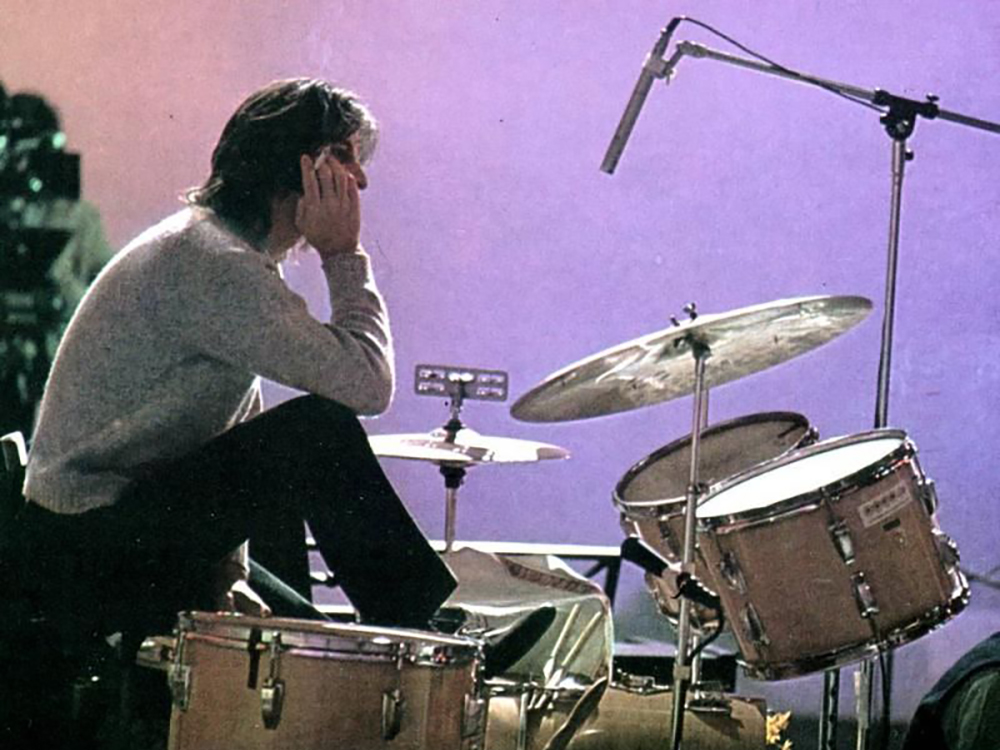
Paul may have viewed the Beatles as a work of art; something requiring lengthy and detailed viewing. He may have envisioned each of them as a separate work of art; each worthy of a camera lingering on them, their faces in close up, as they sussed out a song or riff. He wanted to catch every detail of every move. Create a study of John, a study of Paul, a study of George and a study of Ringo. Likewise the group as a whole as they performed. Brilliant.
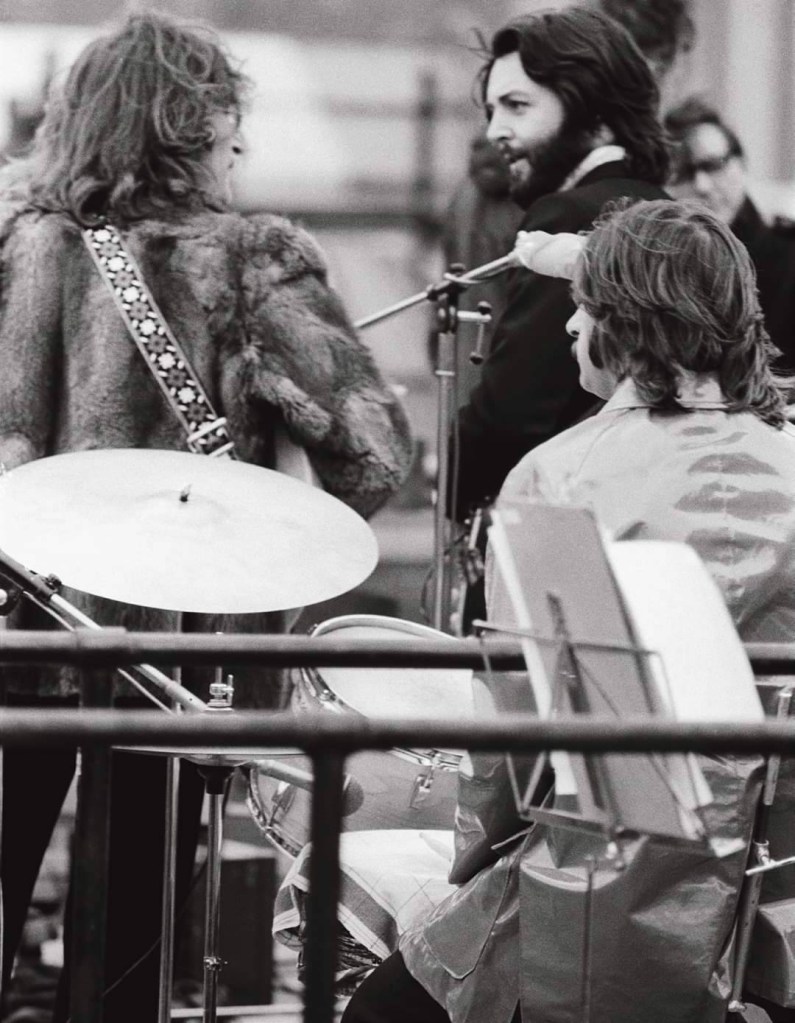
Michael Lindsay-Hogg did push back on this idea at the time. I get it that he wanted to tell a story. He brings this up several times during the conversation as well as later in the month during other recorded discussions. I don’t think he quite got Paul’s point. He even says he disagrees and says Paul is wrong. I did see Let It Be in the 1970’s, but I don’t remember if there were a lot of closeups. I am sure there were, though. I mainly remember I only wanted to see it once since it was so sad. He did use 9-10 cameras for the rooftop performance on January 30, 1969 so as not to miss anything. Well done. Not sure if Paul’s comments inspired him to do this. Maybe.
The almost eight hours of the Get Back Series is not nearly enough for most real Beatles fans. We want to see it all: all the group shots and all the close ups. George lovingly playing one of his many guitars, helping to create a cohesive sound and coming up with inspired licks. Ringo at his drums and his unique perspective of it all; backing them up, keeping them together. Paul strumming his beloved Hofner bass or at the piano, creating magic and motivation; providing direction. John and his Epiphone Casino, whether he is serious or satirical, bringing energy and emotion and, finally, much-needed leadership. We want it all. We want to see the flowery boots, the tea towels, the glasses, the beards, the tea, the toast, the outfits, the mistakes, the frustration, the laughs, the dances, the eye contact, the love.
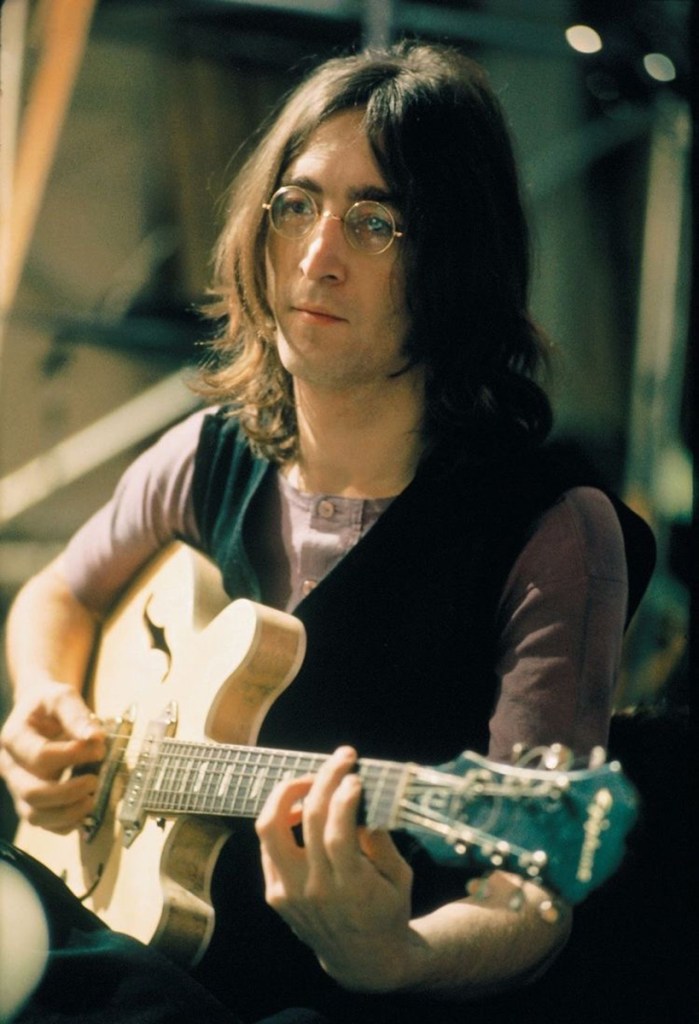
Paul felt that the documentary should make the viewer feel like they were there as the Beatles worked on their music. He wanted to create an even closer relationship with the audience. I think he knew who the audience was then, and who they would be in the future. He knew what we would want then and beyond. He has said many times he is a Beatles fan, so he should know. He knows we love these men and their music. He loved them, too, and wanted to showcase his bandmates and their music as beautiful and significant works of art for all to admire for years to come. He wanted everyone, including himself, to have a valuable keepsake of this time that included all the emotions, all the sights and all the sounds.


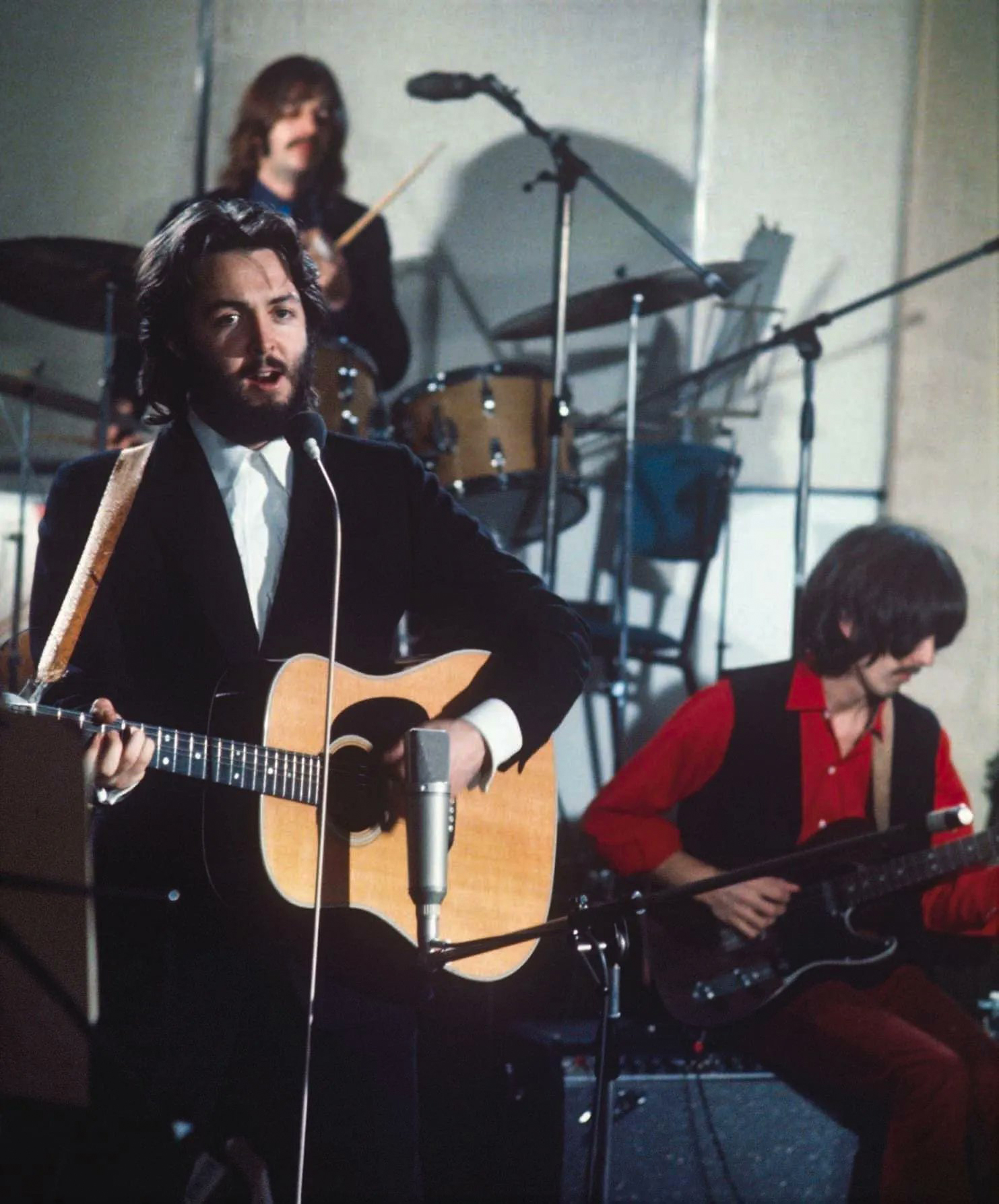
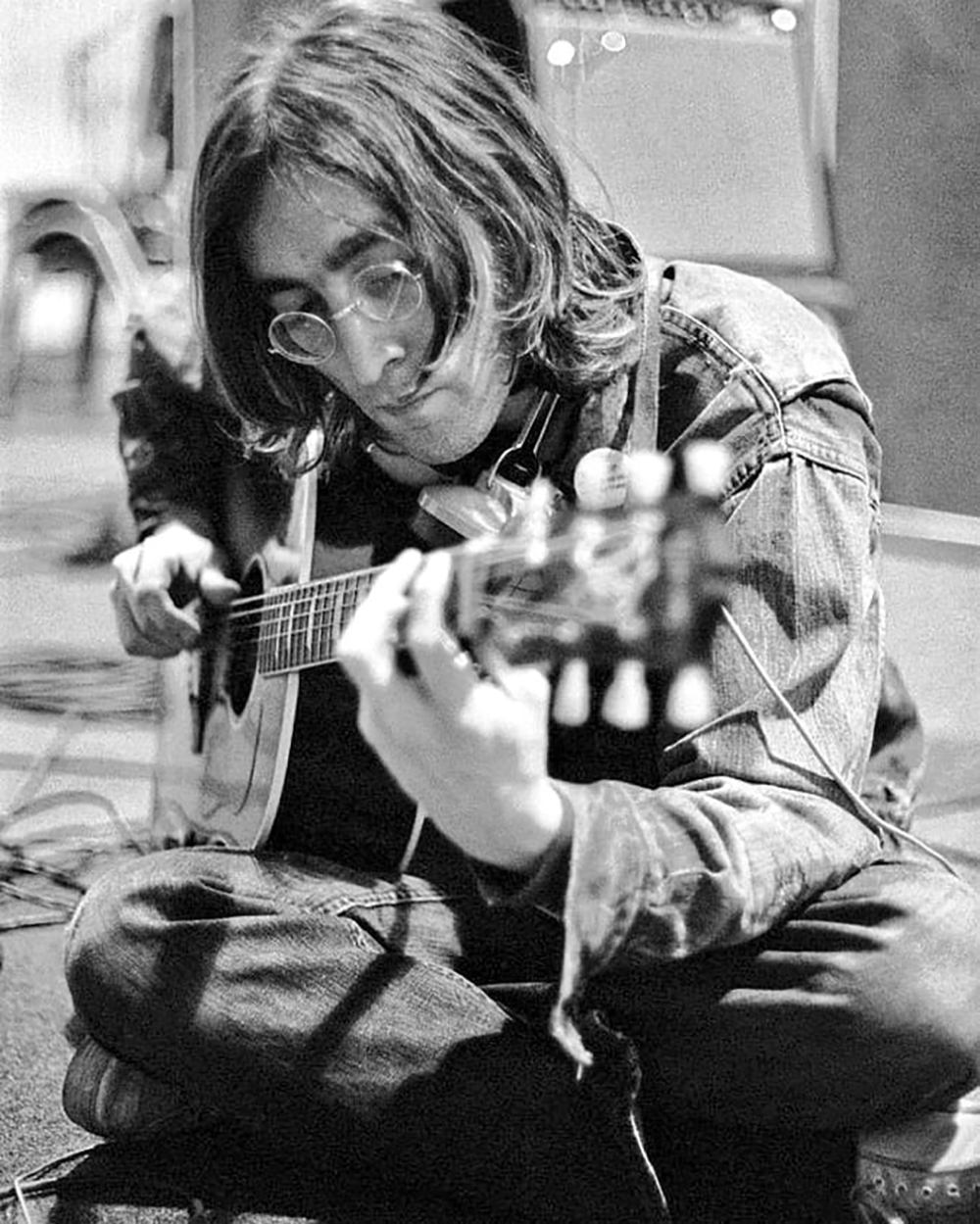

All images copyright Apple Corps Ltd
Here is a link to the video with the audio clip I am referring to: Paul’s vision.


I thought the movie to be good, but not great, which I was expecting. Like you say, there should have been more time on each of them, and the songs they created. I didn’t care for the love Yoko and Lennon’s odd attachment to her in the studio. Good read.
LikeLiked by 1 person